Instrumentation: Flexible Temperature Sensor for Voice Coils
Publication: Journal of the Audio Engineering Society (JAES), September 2024.
Partners: LAUM (Université du Mans), CNRS.
The Challenge: Measuring in Extreme Environments
Operating voice coils present a hostile environment for instrumentation:
- Space Constraints: The magnetic gap is narrow, leaving no room for bulky sensors.
- Magnetic Fields: High DC flux can degrade unshielded measurement signals.
- High Displacement: The assembly must withstand excursions up to .
- Mass Distribution: Added mass must be balanced to prevent rocking modes.
The Solution: Direct RTD Integration
We developed an ultra-thin RTD sensor using rolled annealed copper on a Kapton former. This setup simplifies the acquisition chain: a constant current source and a single ADC channel replace the complex dual-ADC and Hilbert transform requirements of indirect methods.
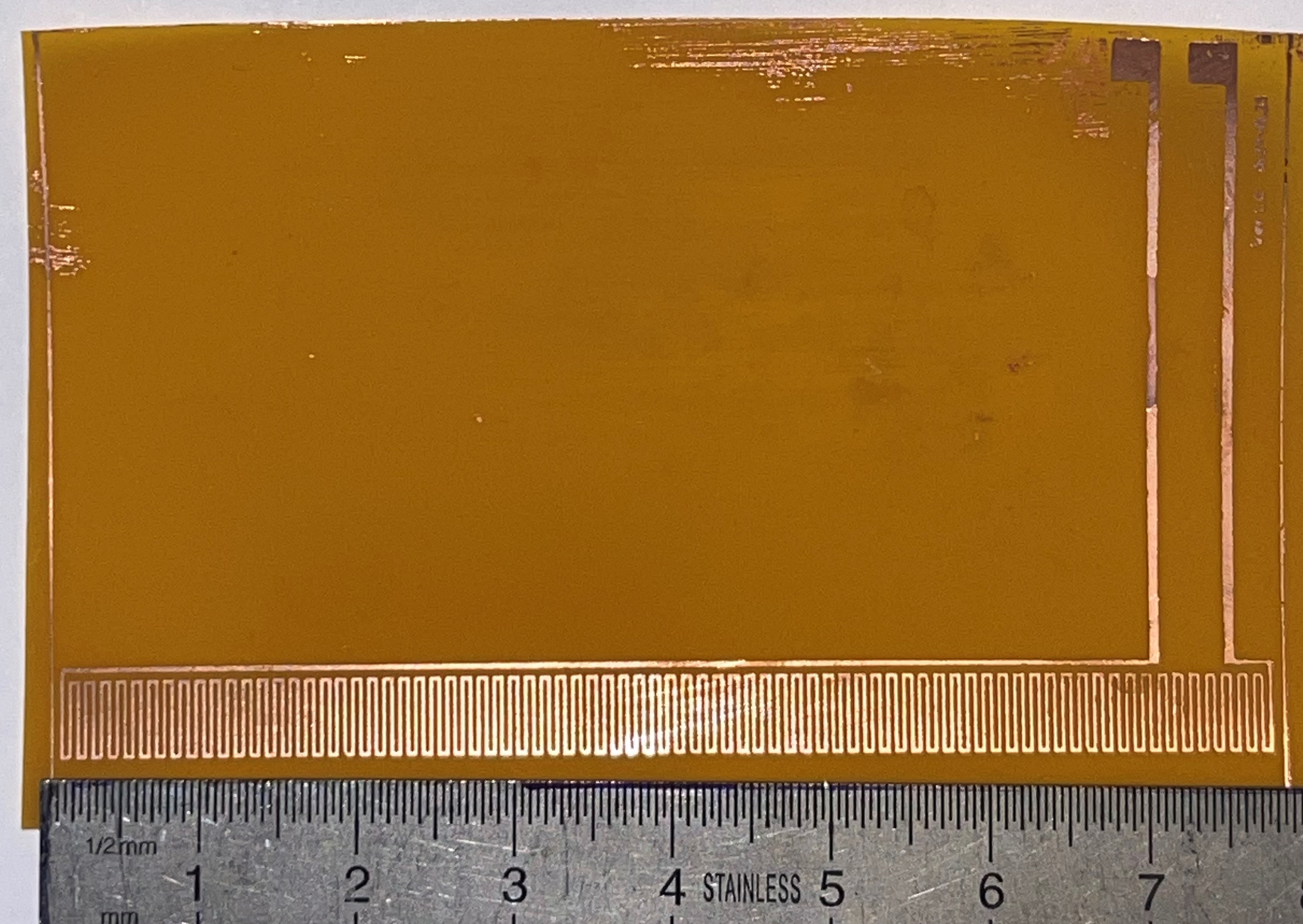
18µm RTD circuit on flat Kapton
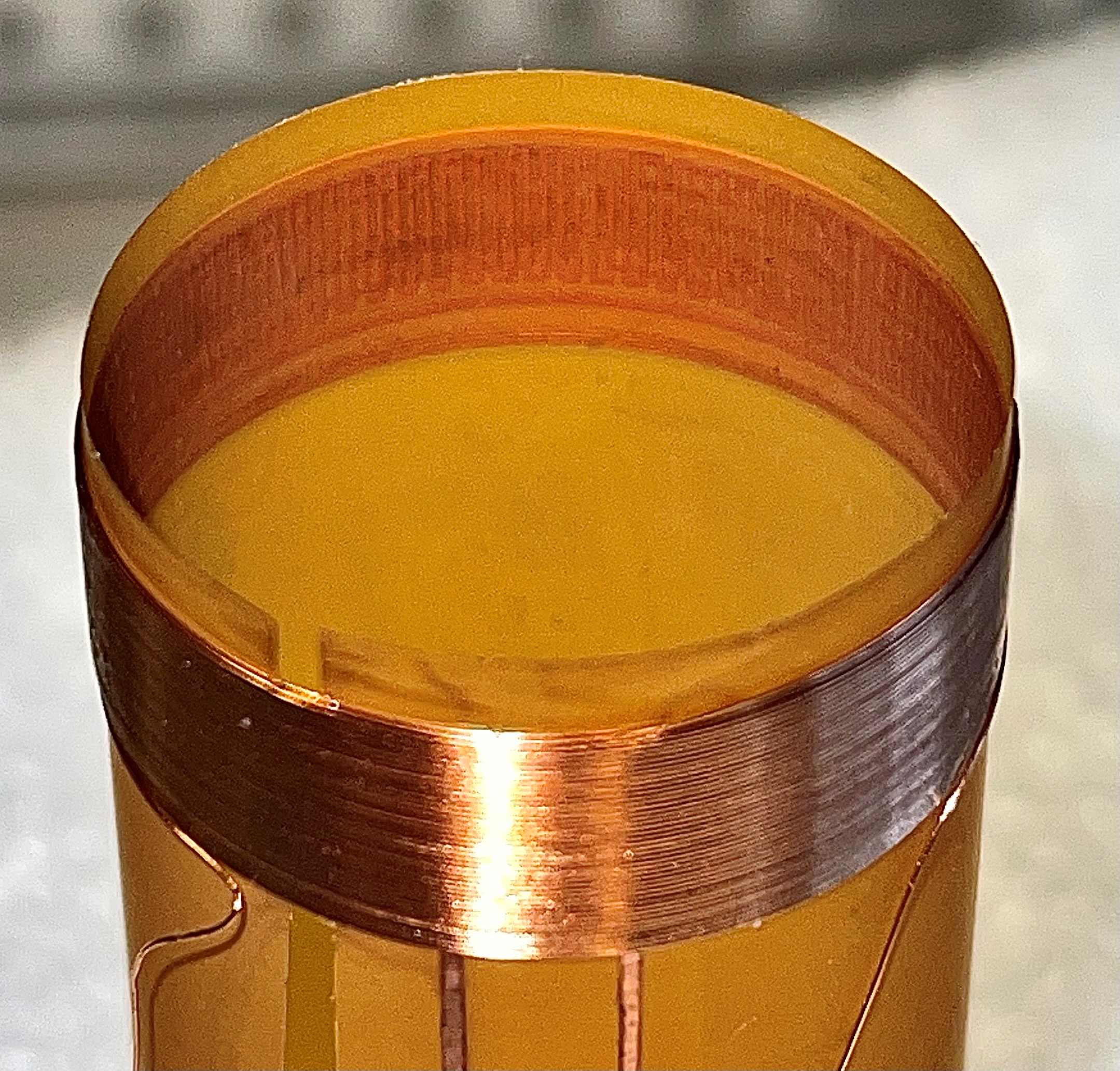
Insertion into the voice coil
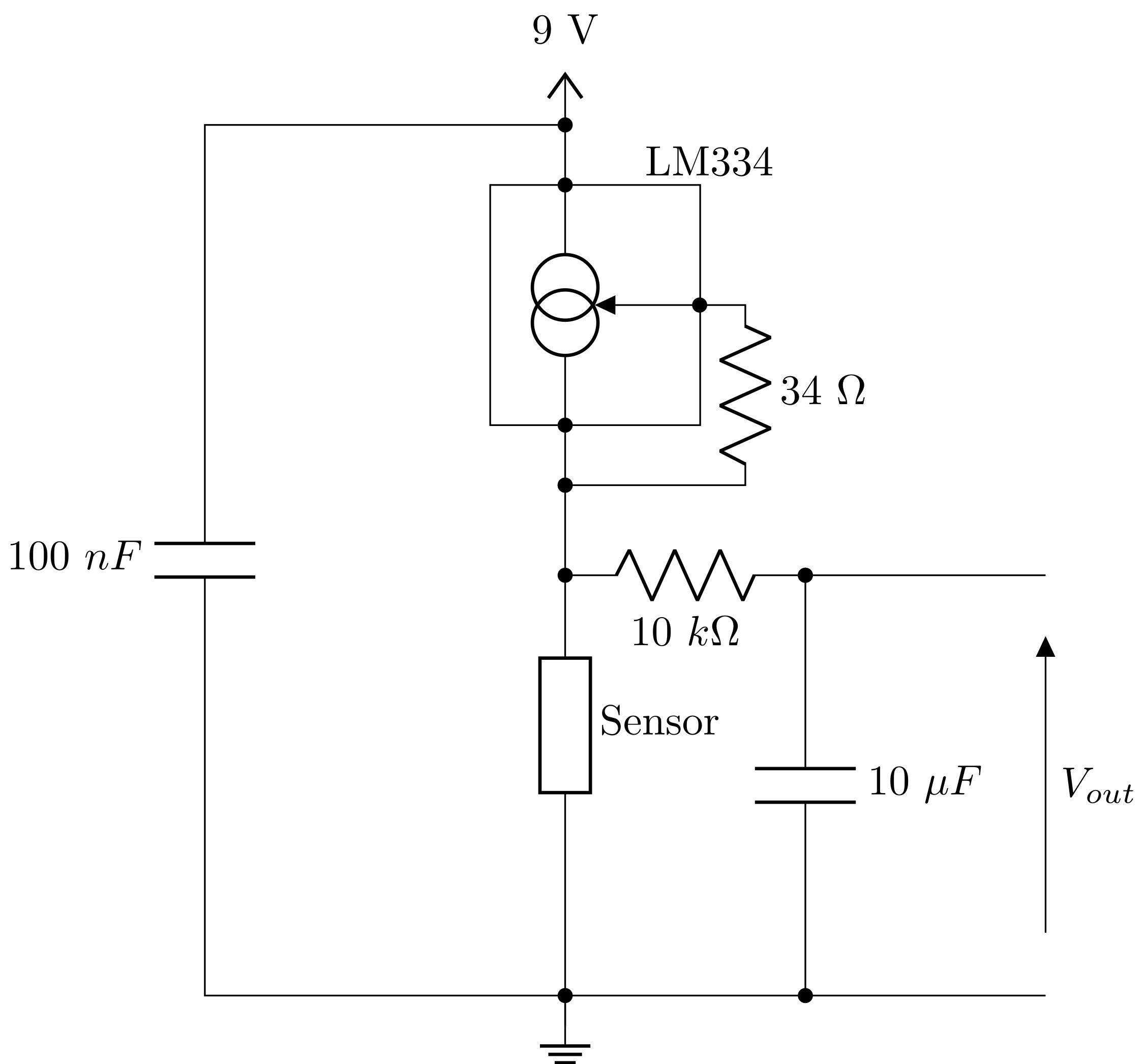
4mA source & 1-ADC acquisition
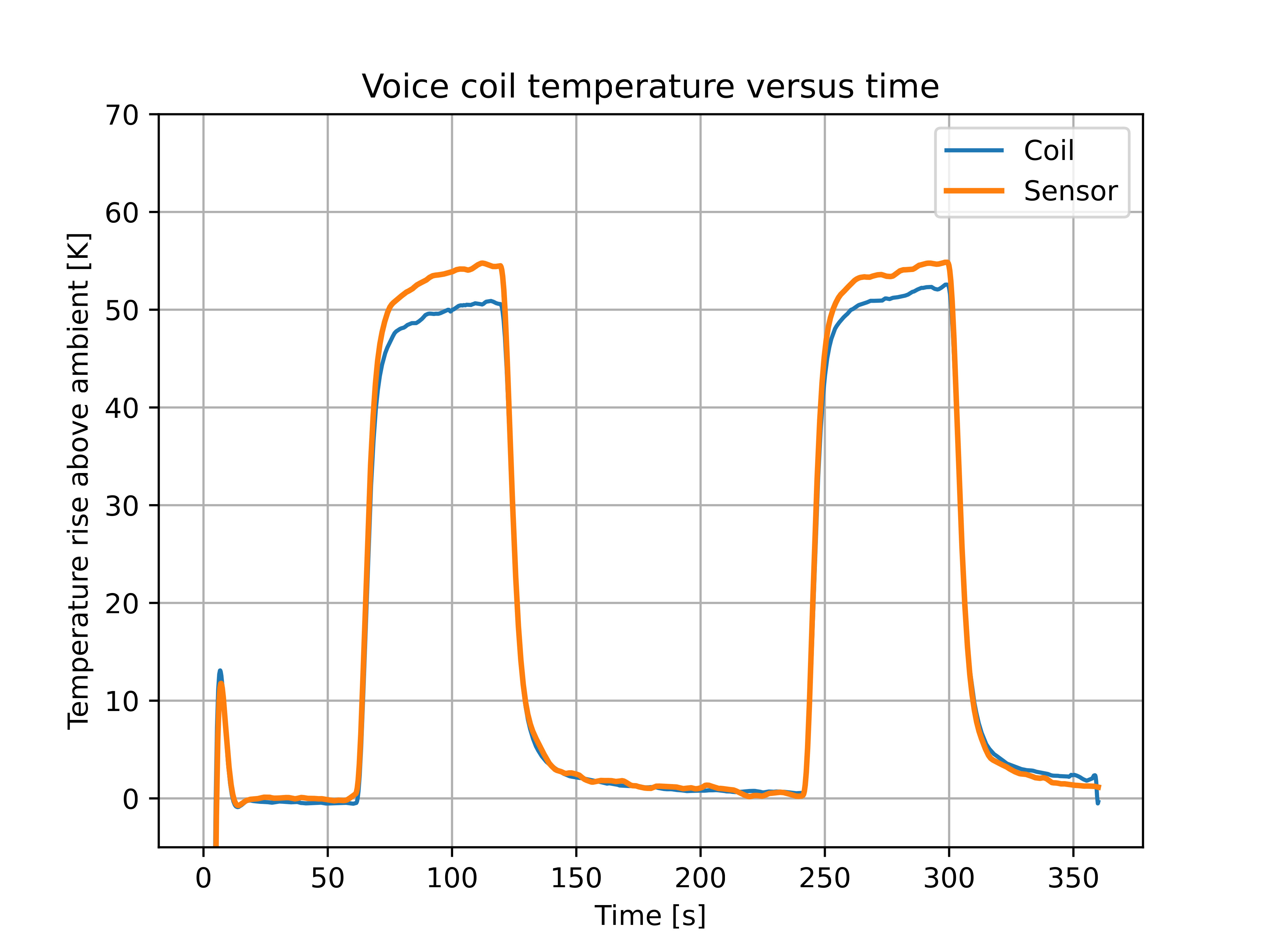
Direct vs. Indirect sensing validation
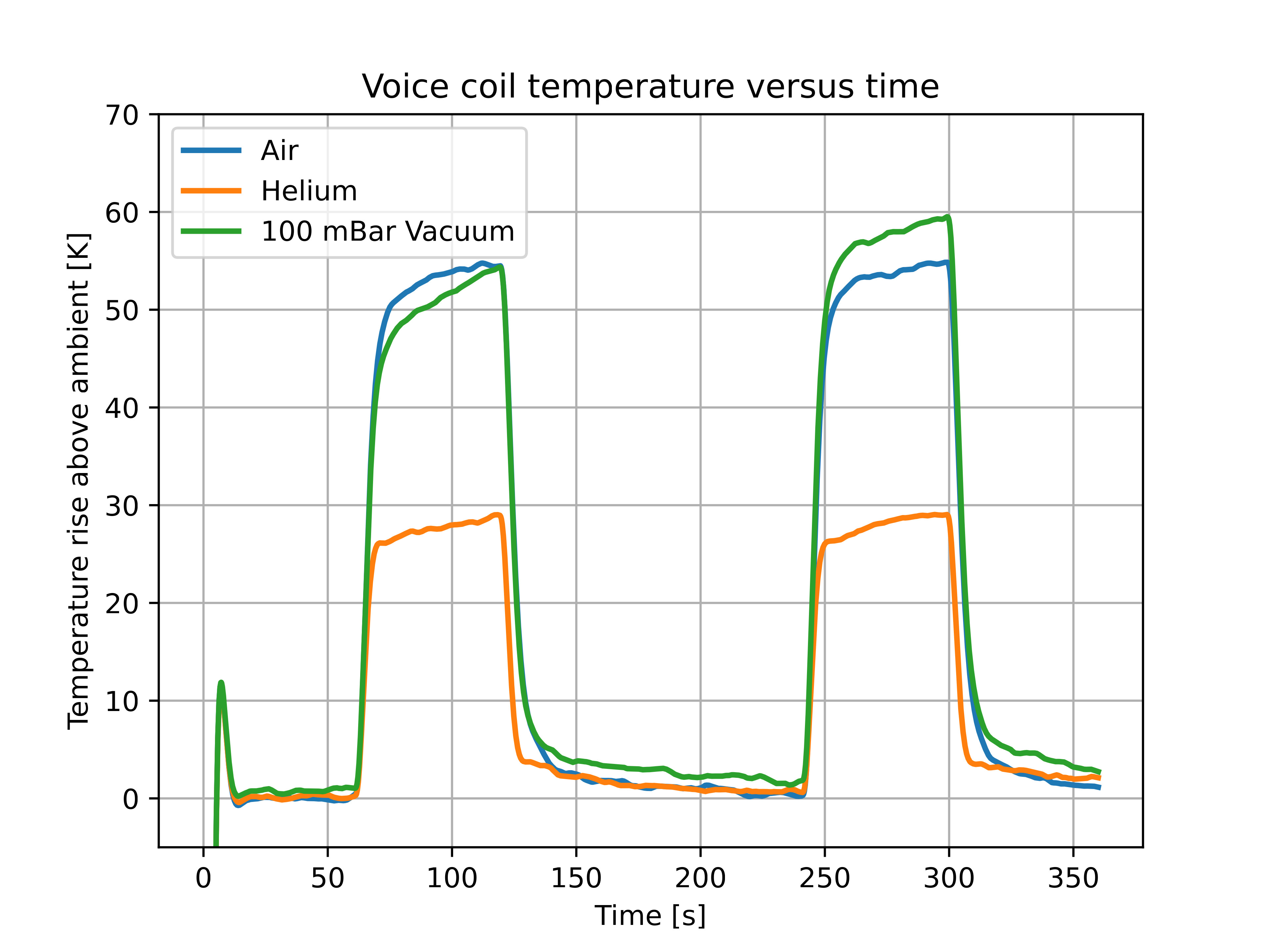
Experimental Validation: Air, Helium, and Vacuum
To validate the sensor’s precision and transient response, we altered the thermal conductivity of the medium without changing the motor’s mechanical properties:
- Helium: Since Helium’s thermal conductivity is significantly higher than air ( vs ), the peak temperature was halved and cooling transients were much faster.
- Vacuum (100 mBar): Tests in a partial vacuum resulted in higher peak temperatures and slower cooling, confirming the sensor’s sensitivity to subtle changes in the thermal environment.
Engineering Expertise
- Metrology in constrained environments (high flux, tight clearances).
- Thermal Transfer Physics (characterization through medium variation).
- Hardware Simplification (Reduced ADC count and DSP overhead).
Références et Publications
| Type | Description |
|---|---|
| Journal (JAES) | Munroe, O., et al. “Flexible Temperature Sensor For Voice Coils”, JAES 2024. DOI:10.17743/jaes.2022.0159 |